Therapeutic wellness zone
Hammam Sidi Ali
Geographic location and setting
Location: Near Azrou – Middle Atlas
Distance from Rabat: approximately 260 km
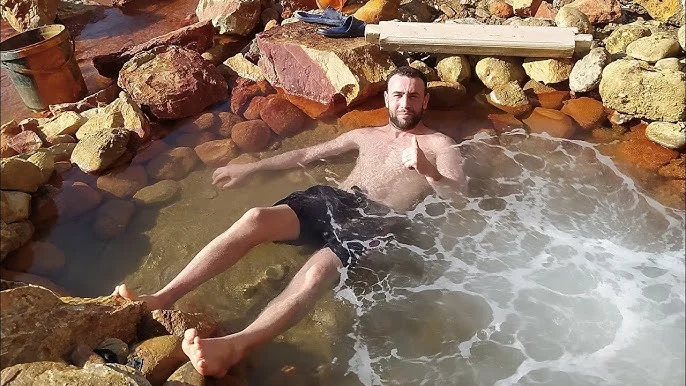
The waters are slightly sulfurous and lukewarm, beneficial for skin conditions and allergies. The relatively cool mountain environment makes the hammams usable throughout the year, especially suitable for patients who cannot tolerate high temperatures.
Hammam Sidi Ali is among the traditional hammams in Morocco with both therapeutic and spiritual significance. Its name has long been associated with natural healing through hot waters, as well as with a collective memory that combines physical treatment and psychological comfort. The hammam is located in a peaceful natural setting, relatively far from urban bustle, which has made it, over time, a destination for patients and visitors from various regions.
Hot waters and therapeutic properties
The reputation of Hammam Sidi Ali rests mainly on its hot mineral waters, which rise from geological depths rich in salts and natural elements. These waters are traditionally used for bathing and immersion, and are known for their benefits in:
- Treating joint and rheumatic pain.
- Relieving bone and muscle ailments.
- Helping with certain dermatological conditions.
- Improving blood circulation.
- Reducing stress and nervous tension.
The heat of the water is a key factor in dilating blood vessels and relaxing muscles, which explains the large number of visitors, especially elderly people and those suffering from chronic illnesses.
Spiritual and symbolic dimension
The name Sidi Ali carries deep spiritual significance in the Moroccan popular imagination, as many springs and hammams are associated with the names of revered saints, as an expression of faith in blessing and healing. Visitors came to the hammam not only to be treated by water, but also in search of psychological serenity and spiritual balance, clearly linking body and soul.
Architectural and traditional character
Hammam Sidi Ali preserves a simple traditional architecture, built from stone and local clay, with interior spaces designed to retain heat and steam. The hammam is usually divided into several rooms with varying temperatures, allowing the visitor to acclimatize gradually, a practice well known in Moroccan hammam culture.
Social role
The hammam was not merely a place for treatment: across generations, it served as a true social center where residents gathered, exchanged news, and strengthened social ties. Visiting Hammam Sidi Ali was a weekly or seasonal collective ritual, especially during cold periods or after demanding agricultural work.
Hammam Sidi Ali and therapeutic tourism
Hammam Sidi Ali represents an authentic model of traditional therapeutic tourism in Morocco, characterized by:
- Total reliance on a natural resource.
- The absence of excessive commercialization.
- A close connection with the local environment.
- The preservation of cultural heritage.
This model clearly aligns with the concepts of Environmental Tourism, based on healing through nature and respect for both place and people.
Development prospects
Despite its therapeutic and historical value, Hammam Sidi Ali still requires a balanced development vision that includes:
- Improving hygiene and safety conditions.
- Protecting the water resource.
- Preserving its traditional character.
- Involving the local community.
These measures would make it possible to transform the site into a sustainable therapeutic station without losing its authentic identity.
Hammam Sidi Ali is not just a traditional hammam: it is a space that captures the relationship between Moroccan people and water as a means of healing, and between the place itself as a refuge for rest and balance. It stands as evidence of the continuity of hot-water healing culture and of the considerable potential still latent within Morocco’s therapeutic heritage.
Advertisements